AWS Builder Center Celebrates First Anniversary with Robust Growth and Transformative Developer Tools

The AWS Builder Center, a pivotal platform dedicated to empowering developers within the Amazon Web Services ecosystem, has marked its first anniversary, demonstrating remarkable growth and evolving into a comprehensive resource hub. Launched on July 9, 2025, the platform has rapidly expanded beyond its initial scope as a community forum, transforming into a dynamic ecosystem featuring sandbox environments, interactive workshops, specialized "Spaces" for community groups, and an extensive "Builders’ Library." This significant milestone was highlighted by key figures within AWS, underscoring the platform’s success in fostering innovation, skill development, and community engagement among cloud builders globally.
The Genesis and Vision of AWS Builder Center
The inception of the AWS Builder Center stemmed from a strategic vision to create a centralized, interactive hub where developers, from novices to seasoned professionals, could access resources, share knowledge, and collaborate on projects leveraging AWS technologies. Prior to its launch, AWS offered a plethora of documentation, blogs, and training materials, but a dedicated, integrated platform designed explicitly for community-driven content, hands-on learning, and direct feedback mechanisms was identified as a critical need. The Builder Center was envisioned as a democratized space, moving beyond traditional one-way information dissemination to a more interactive and collaborative model. Its core objective was to lower the barrier to entry for new builders, accelerate the learning curve for existing ones, and provide a fertile ground for the AWS community to collectively innovate. The initial rollout included foundational elements such as Wishlist voting, enabling users to directly influence future platform features, and community profiles, designed to foster connections and recognize individual contributions. A "toolbox" feature provided quick access to essential developer utilities, setting the stage for a more integrated development experience.
A Year of Unprecedented Growth: Key Milestones and Features
Over its inaugural year, the AWS Builder Center has undergone a rapid evolution, rolling out a consistent stream of new features and enhancements that have significantly broadened its utility and reach. Rick Suttles, a prominent figure in the platform’s development, recently published a comprehensive feature timeline detailing the extensive list of updates shipped since its launch. This chronology of development illustrates a clear commitment to continuous improvement and responsiveness to community needs.
- Initial Launch and Core Offerings (July 2025 – Late 2025): The platform debuted with its foundational elements: Wishlist voting, which immediately empowered the community to guide development; community profiles, fostering a sense of belonging; and a basic toolbox. The initial content focused on foundational AWS concepts and common use cases.
- Expanding the Ecosystem: Workshops, Spaces, and the Library (Late 2025 – Early 2026): A significant phase of expansion saw the introduction of interactive workshops, complete with category and complexity filters, making it easier for builders to find relevant hands-on learning experiences. The launch of "Spaces" allowed community members to create and manage their own interest groups, fostering collaboration around specific technologies or projects. Concurrently, the "Builders’ Library" was established, aggregating high-quality articles, tutorials, and best practices, curating knowledge for easy access. The integration of "AWS Capabilities by Region" was also a crucial addition, providing developers with detailed information on over 1,500 services available across 37 AWS Regions, enabling more efficient and regionally aware solution design.
- Empowering Developers: Badges, Streaks, and Content Features (March 2026 onwards): Recognizing the importance of gamification and recognition, the platform introduced a badge system in March 2026, rewarding builders for their achievements and contributions. This was complemented by "streaks," encouraging consistent engagement and learning. New content features like article series, view counts, and saved items enhanced content discoverability and personalized learning paths. The ability to denote "student status" also broadened the platform’s appeal to educational institutions and learners.
- Accessibility and Integration: Further enhancements focused on user experience and accessibility. Availability notifications kept users informed about new content or feature releases. The integration of sign-in options with GitHub and Amazon streamlined access, making it easier for developers already integrated into these ecosystems to join the Builder Center. These developments collectively transformed the platform from a simple hub into a comprehensive, interactive, and rewarding environment for AWS builders.
Community Engagement and Content Excellence
The success of the AWS Builder Center is not merely measured by its feature set but profoundly by the vibrant community it has cultivated and the rich content it has generated. Jeff Barr, VP and Chief Evangelist for AWS, provided a detailed retrospective, highlighting the impressive metrics achieved in the first year.
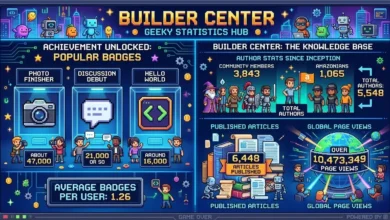
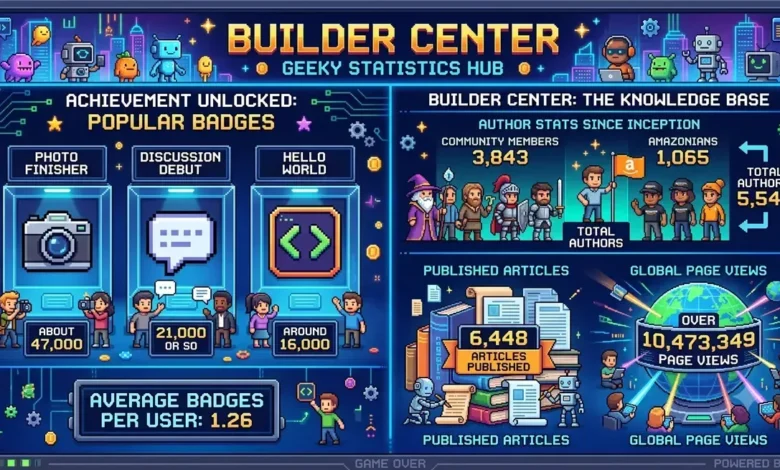
- Quantitative Impact: Authors, Articles, and Page Views: Since its launch, a staggering 5,548 authors have contributed to the platform, publishing 6,448 articles. These contributions have collectively garnered over 10.4 million page views, a testament to the quality and relevance of the content shared by the community. This high volume of contributions underscores the appetite within the AWS developer community to share expertise and learn from peers. The diverse range of topics covered, from core AWS services to emerging technologies like AI/ML and serverless computing, reflects the breadth of innovation happening across the ecosystem.
- Highlighting Community Contributions: Top Articles: Several articles have particularly resonated with the community, achieving remarkable view counts and demonstrating the power of peer-to-peer knowledge sharing. Dineshraj Dhanapathy’s article, "Building an AWS Study Buddy with MCP + Strands Agents SDK," emerged as the top community article, surpassing 50,000 views. This piece exemplifies how builders are leveraging cutting-edge AWS services and SDKs to create practical, innovative solutions. Following closely, Chris Miller’s "Migrating an EOL Linux Server to AWS in 8 Hours with Kiro" garnered over 45,000 views, highlighting the demand for practical, real-world migration strategies. Yash Aggarwal’s "AIdeas: NeuroVoice – Multimodal AI for Early Screening of Neurological Diseases," with over 38,000 views, showcased the application of multimodal AI in critical healthcare diagnostics, illustrating the profound impact of AWS technologies in diverse fields. These articles not only serve as valuable resources but also inspire other builders to share their own unique projects and insights.
- The Power of the Wishlist: The Wishlist feature has proven to be an effective mechanism for community-driven development. Of the 565 wishes submitted by community members, 10 have already been shipped as features, with an additional 20 slated for the near-term roadmap. This direct feedback loop reinforces the platform’s commitment to its users, demonstrating that their input directly shapes its evolution. This collaborative approach fosters a sense of ownership and investment among the builders, making the platform truly community-centric.
Revolutionizing Learning: The Introduction of Sandbox Environments
A standout headline addition unveiled during the anniversary week was the introduction of Sandbox Environments, spearheaded by Rick Suttles. This feature represents a significant leap forward in practical, risk-free learning on AWS. Sandbox Environments provide users with a free, pre-provisioned AWS account specifically designed for completing workshop exercises without the need for a personal AWS account, credit card, or concerns about incurring unexpected costs.
Each sandbox environment remains active for eight hours, after which the account and all its provisioned resources are automatically de-provisioned. This automated cleanup eliminates the common pain point of manual resource management and accidental charges, a frequent barrier for new learners and those experimenting with new services. Users are permitted to have one active sandbox at a time and can request one per week, ensuring equitable access while managing resource utilization.
The implications of Sandbox Environments are profound. They drastically lower the barrier to entry for hands-on AWS learning, democratizing access to practical cloud experience. For educators and students, it provides a crucial tool for structured learning without administrative overhead. For experienced developers, it offers a safe playground for testing new services, experimenting with complex architectures, or replicating workshop scenarios without impacting production environments or personal AWS accounts. This feature aligns perfectly with AWS’s broader mission to empower builders by providing accessible, practical, and friction-free pathways to skill development.
Statements and Executive Perspectives
Reflecting on the first year, Jeff Barr, VP and Chief Evangelist for AWS, shared his perspective, emphasizing the platform’s organic growth and the profound impact of community contributions. "The AWS Builder Center was conceived as a space where the collective ingenuity of our builder community could flourish, and its first year has far exceeded our expectations," Barr stated in his retrospective. "The volume and quality of articles, the active engagement on the Wishlist, and the enthusiastic adoption of features like badges demonstrate that we’ve successfully created a truly collaborative environment. It’s inspiring to see how builders are not just consuming content but actively shaping the future of the platform and helping each other master AWS."

Rick Suttles, in his detailed timeline and announcement of Sandbox Environments, underscored the continuous drive for innovation. "Our commitment to the AWS builder community is unwavering. The launch of Sandbox Environments is a direct response to a fundamental need for accessible, risk-free hands-on learning," Suttles explained. "This feature, alongside the myriad of updates over the past year—from regional capabilities to community Spaces—reflects our dedication to providing the tools and environment necessary for every builder to succeed and innovate on AWS."
These statements highlight the leadership’s satisfaction with the platform’s initial performance and their ongoing commitment to its evolution, driven by community feedback and strategic enhancements.
Broader Implications for the AWS Ecosystem and Cloud Development
The AWS Builder Center’s first year of operation carries significant implications for the broader AWS ecosystem and the landscape of cloud development.
- Democratization of Cloud Skills: By providing free sandbox environments and a wealth of community-contributed content, the Builder Center plays a crucial role in democratizing access to cloud skills. It enables individuals from diverse backgrounds and economic situations to gain practical experience, bridging the gap between theoretical knowledge and real-world application. This is vital for addressing the global shortage of cloud professionals.
- Accelerated Innovation: The platform fosters a culture of rapid learning and experimentation. With easier access to hands-on labs and a community eager to share new solutions, builders can explore cutting-edge AWS services and architectural patterns more quickly. This accelerates the pace of innovation within the AWS community, leading to more sophisticated and efficient cloud solutions.
- Enhanced Developer Relations: The Builder Center strengthens AWS’s relationship with its developer community. By actively soliciting feedback through the Wishlist and rapidly implementing requested features, AWS demonstrates its commitment to listening to and serving its users. This fosters loyalty and encourages continued engagement, differentiating AWS in a competitive cloud market.
- Content Curation and Knowledge Sharing: The platform serves as a powerful aggregator and curator of practical knowledge. Unlike traditional documentation, community articles often provide unique perspectives, niche solutions, and real-world problem-solving approaches that complement official AWS resources. This peer-to-peer knowledge transfer is invaluable for navigating the complexity of the AWS landscape.
- Talent Development Pipeline: For AWS, the Builder Center acts as a vital talent development pipeline. By nurturing new builders and providing pathways for skill advancement, it helps ensure a steady supply of skilled professionals capable of leveraging AWS technologies effectively. The badge system also offers a verifiable way for individuals to showcase their expertise.
Looking Ahead: The Future of AWS Builder Center
While celebrating a successful first year, the AWS Builder Center shows no signs of slowing down. The ongoing development roadmap, informed by the community Wishlist and strategic vision, promises continued evolution. Potential future enhancements could include more advanced collaboration features within Spaces, deeper integrations with AWS training and certification pathways, and expanded localization efforts to cater to a global audience. The continuous feedback loop, combined with AWS’s commitment to innovation, suggests that the Builder Center will remain a cornerstone for cloud builders worldwide.
As the AWS Builder Center embarks on its second year, its trajectory points towards becoming an even more indispensable resource for anyone looking to build, learn, and innovate with Amazon Web Services. The platform’s journey from a community hub to a full-fledged ecosystem exemplifies a successful model for fostering a vibrant, skilled, and engaged developer community, driving forward the frontiers of cloud technology. Builders are encouraged to visit the AWS Builder Center to connect with peers, contribute solutions, and leverage the growing array of resources to further their cloud journey.